

 Español
 Inglés

The journey of scent: how scents conquer our memories
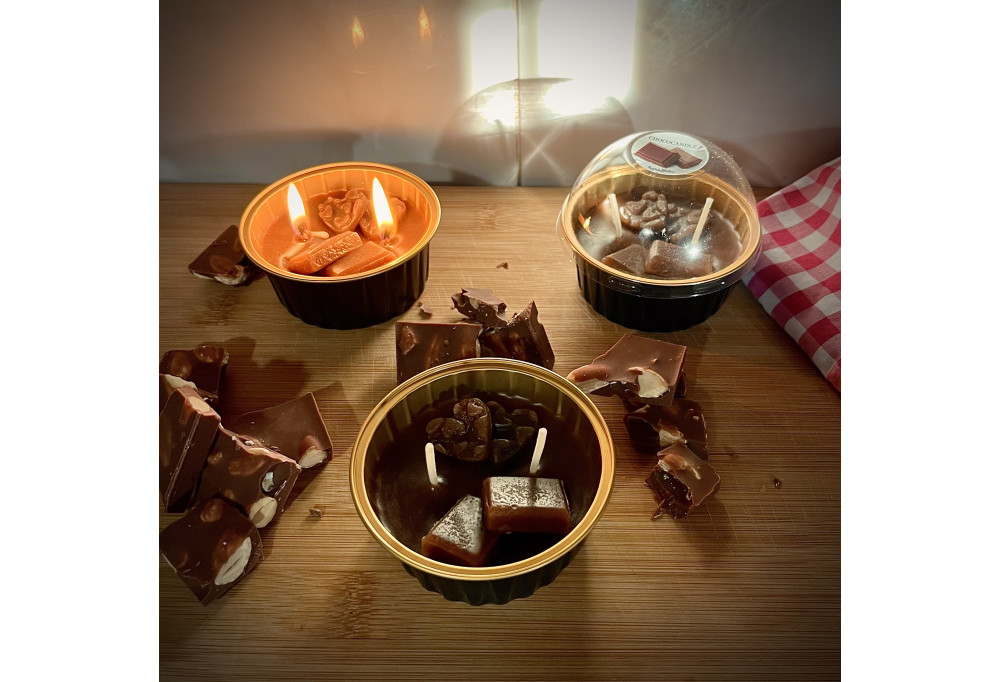
Scents are strongly associated with our emotions. The journey of an aroma, from entering our nose to reaching the brain, translates into a powerful emotion. Today, we will explore the path an aroma takes from entering our nose to being perceived as an emotion.
Have you ever had a scent instantly transport you to another moment in your life? Scents that leave a mark tell us stories: who we were, a happy memory, or a special place.
Research has shown that scents are powerful triggers of nostalgic memories. A study found that participants recalled more emotional details of past events when exposed to certain scents, such as the smell of chocolate cake.
Did you know that, of the five senses, smell has the greatest power of evocation? This happens because it connects directly to the hippocampus. We remember 35% of what we smell, 5% of what we see, 2% of what we hear, 1% of what we touch, and 15% of what we taste.
This magical corner of our brain allows us to remember, beyond the smells, everything that was happening in that episode: people, landscapes, experiences, emotions... This phenomenon is called the "Proustian memory" in honor of Marcel Proust and his famous “madeleine moment” in his novel "In Search of Lost Time."
For the character, the smell of that madeleine dipped in tea evoked memories of his aunt, transporting him to his walks through the village of Combray years ago, its streets, its sky, its summers, suddenly filling him with extraordinary joy.
Let's see the journey that an scent takes from the moment it enters our nose until it reaches our brain and translates into an emotion. Scents have a powerful capacity to create memories in our minds. They allow us to recall specific people, places, and moments. Moreover, pleasant fragrances generate positive emotions and good memories, influencing our perceptions.
When we inhale a scent, odor molecules reach receptors in the nose, which send signals to the olfactory bulb in the brain. This bulb is directly connected to the limbic system, which includes the hippocampus (responsible for memory) and the amygdala (responsible for emotions). That's why scents can trigger memories and emotions faster than other senses.
For example, the smell of jasmine might remind you of childhood summers, playing in pools, or those pleasant summer evening walks. Scents make us stay longer in a place, feel comfortable, and even relax or motivate us.
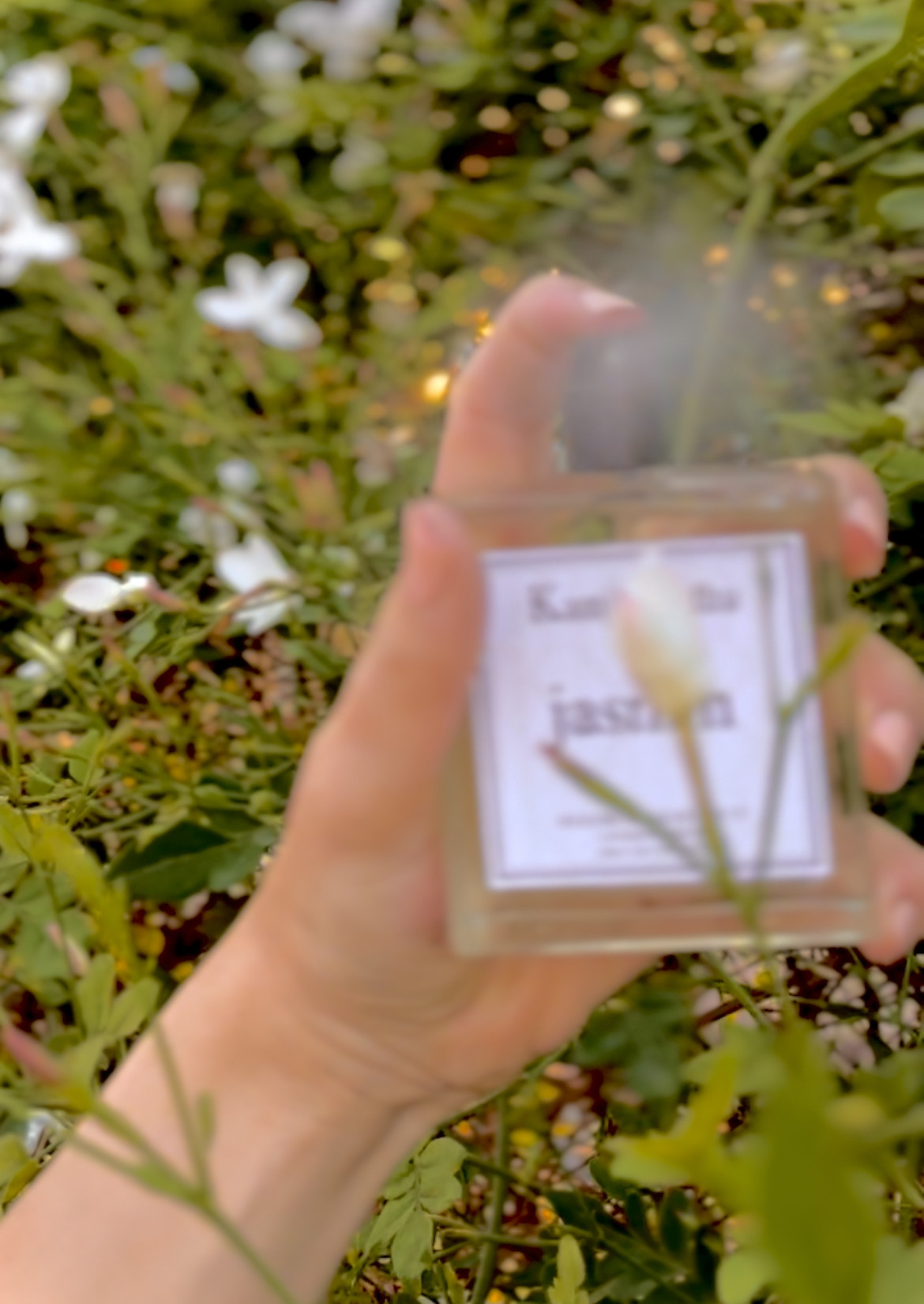
This connection between scents and our memories can be leveraged in sensory marketing. By associating a specific fragrance with a brand or shopping experience, an emotional and lasting bond can be created with consumers. Companies use scent marketing to create brand memories and enhance the customer experience. By applying sensory strategies, they increase sales and position themselves in consumers' minds, standing out in a competitive environment.
As a brand, we like to be remembered, to leave a mark on customers, to stand out from others. Therefore, the best advertising by far is through scent. It is highly recommended to create your own olfactory identity, an aroma that truly identifies you, making it exclusive and unique to your brand, and thus always identifiable. In this way, you will create a sensory experience that reinforces the values of your product or service, ensuring customer loyalty and increasing sales while significantly improving customer perception.
In Same Category
- The ultimate guide to burning your scented candle perfectly.
- Elegant and timeless Halloween decoration for your home: Ideas and tips
- Soy wax: fascinating facts and benefits of a sustainable choice
- Aromatically transform your home this summer: connect emotions and well-being with natural essences
- Eleva tu noche de San Juan con el encanto que crean nuestras velas.